
Review by Terry Shimabukuro
October 5, 2025
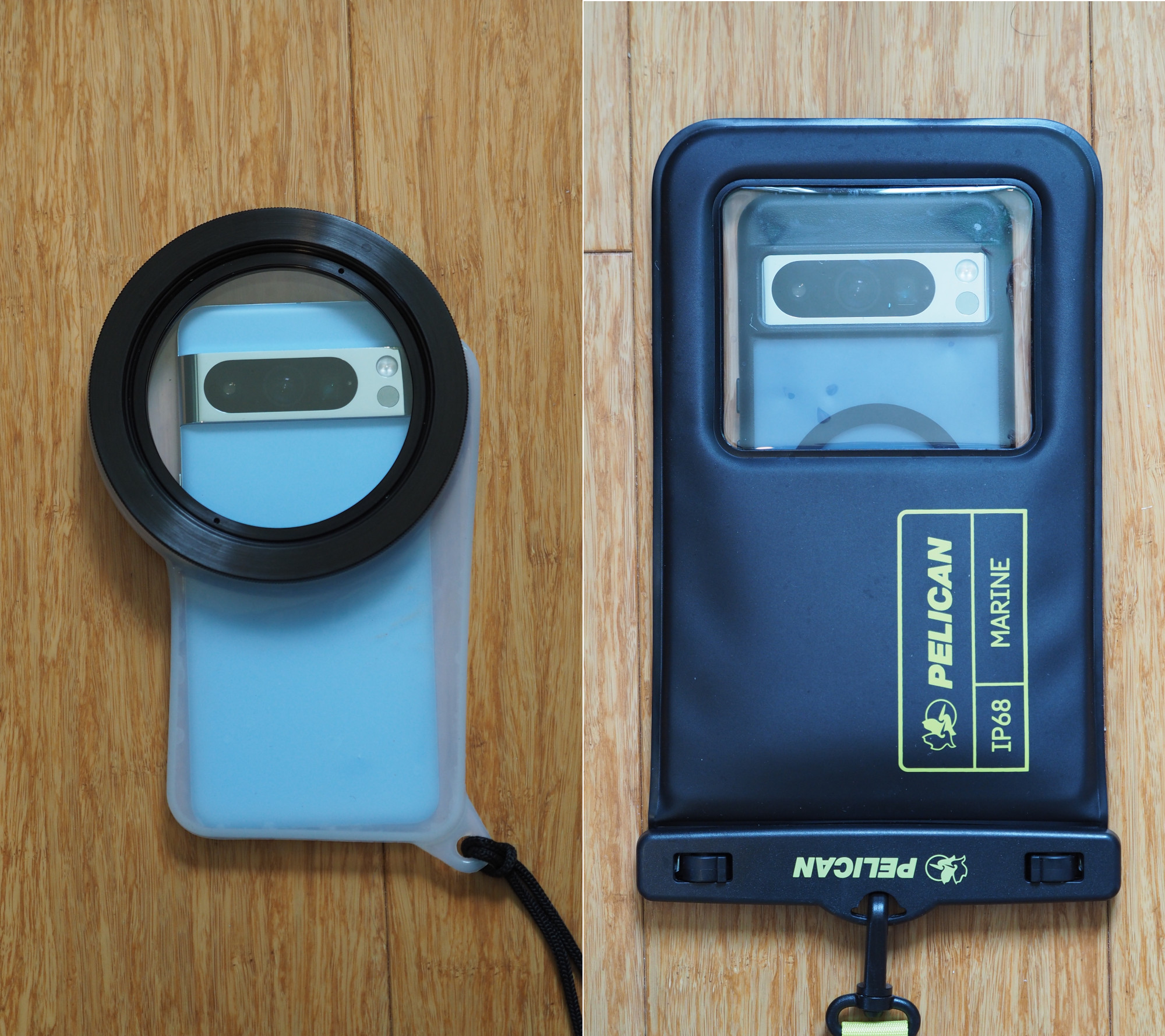
Every kayaker should have a good waterproof case for their cell phone so they can safely carry it with them when they paddle. Having your phone with you to make a call in an emergency is a must have. Many of us also like to take photos or videos with our phones while we’re paddling. Ideally, you want to be able to do this without removing your phone from its case. Several of you asked me about my Outex phone case that has a big glass port for the camera. I’ve been using this case for a few months and in this review I’ll compare it with my previous case from Pelican that has a clear plastic camera port.
Outex makes waterproof housings for full size cameras, lenses and phones. They sell their products directly from their website. Their Phone Pro Kit costs $149. The kit includes a case, made from durable silicone, a lanyard and a three-piece optical glass port. Some assembly is required to use this case. Your phone enters the case through a large circular opening in the upper corner. The silicone case material is tough and durable, but it is a little sticky so my phone doesn’t just glide into place. It take a little pulling and wiggling to get it fully inserted. The optical glass is permanently mounted in an aluminum ring with external threads. The glass port fits into the circular opening and is sealed tight with a thin clamping ring and an internally threaded outer ring. It takes a little practice to get the rings properly seated and securely closed.
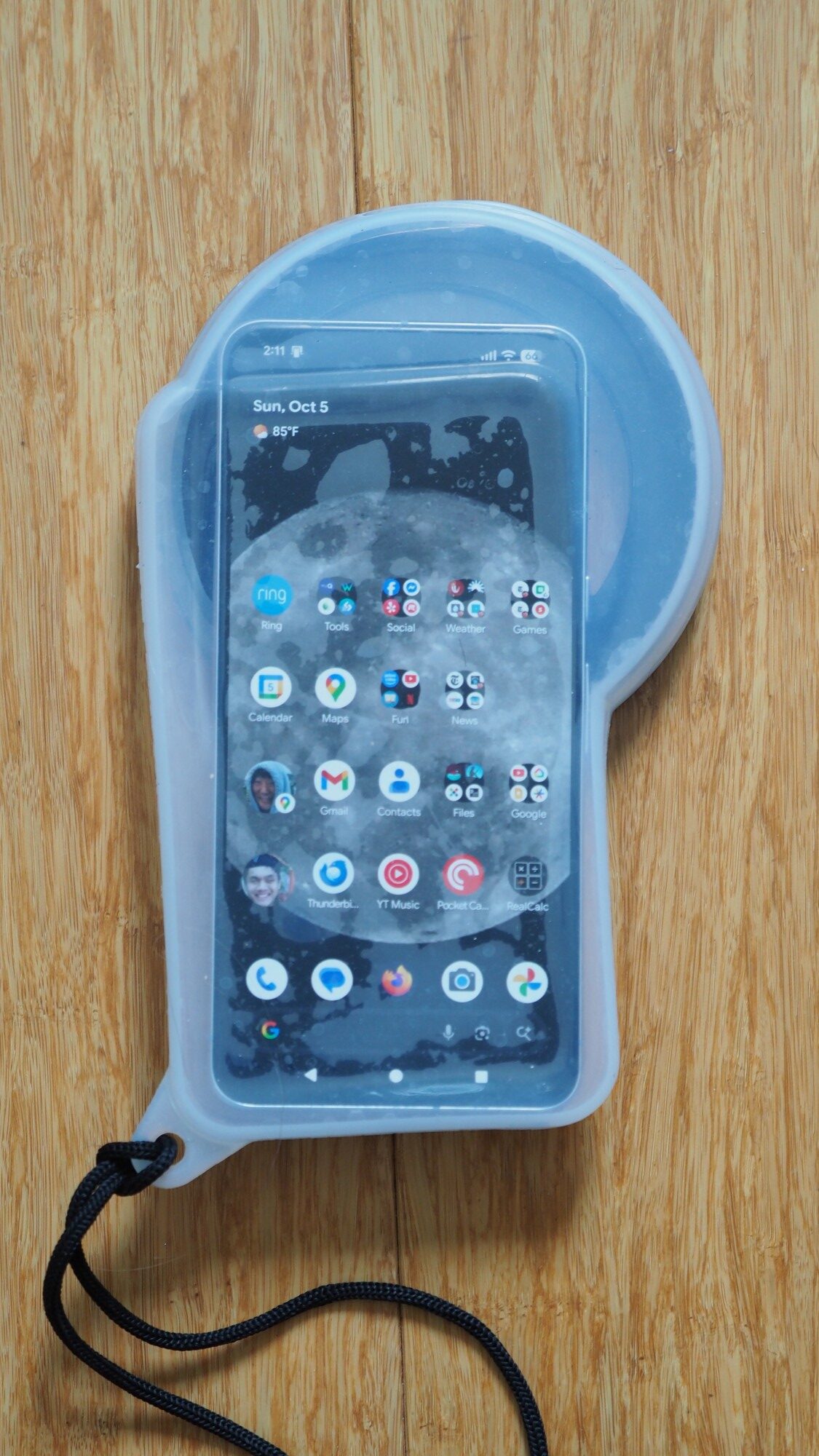
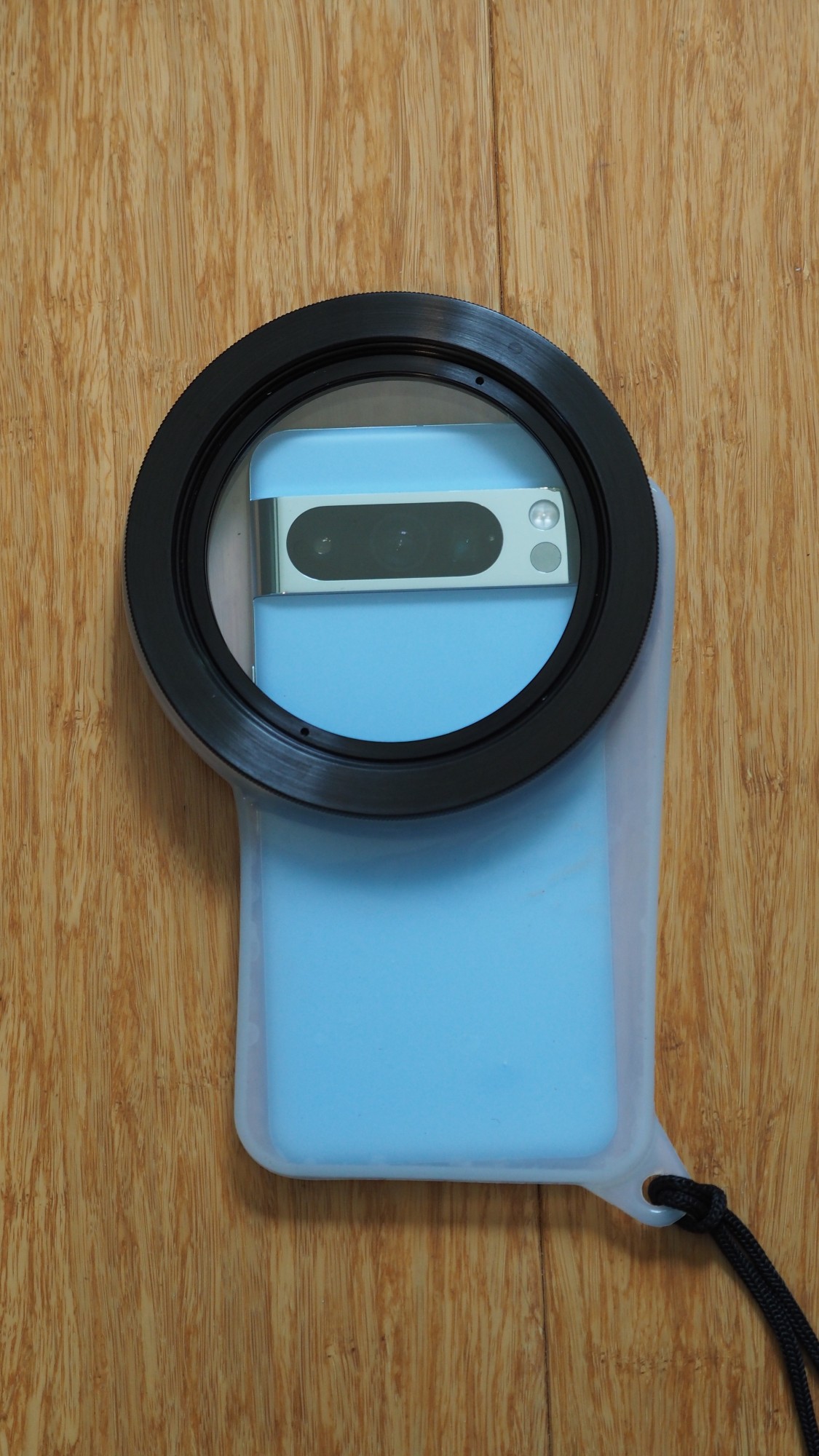
You’ll notice that my Pixel 8 Pro phone is a little too long for the rectangular pocket in the case and is slightly canted. The extra length doesn’t affect the proper location of the cameras in the port, but it does affect touch screen operation at the top of the screen. The rectangular pocket is 150 mm long so if your phone is shorter than this it should fit completely in the pocket.
I had a thin-film screen protector on my phone, but I had to remove it to use the touch screen while installed in the case. I also have to set my phone touch screen sensitivity to the screen protector mode. While the touch screen works, it sometimes it requires a repeated tap or pinch and zoom to get the desired result. The sides of the case are pliable enough that you can push the side buttons on your phone if needed.
This case will not float with the weight of your phone and glass port. You will need to attach flotation to the lanyard if you want to make sure your phone doesn’t sink if accidentally dropped overboard. If it does sink, it is waterproof to 10 meters (33 feet) making it suitable for snorkeling and shallow diving.
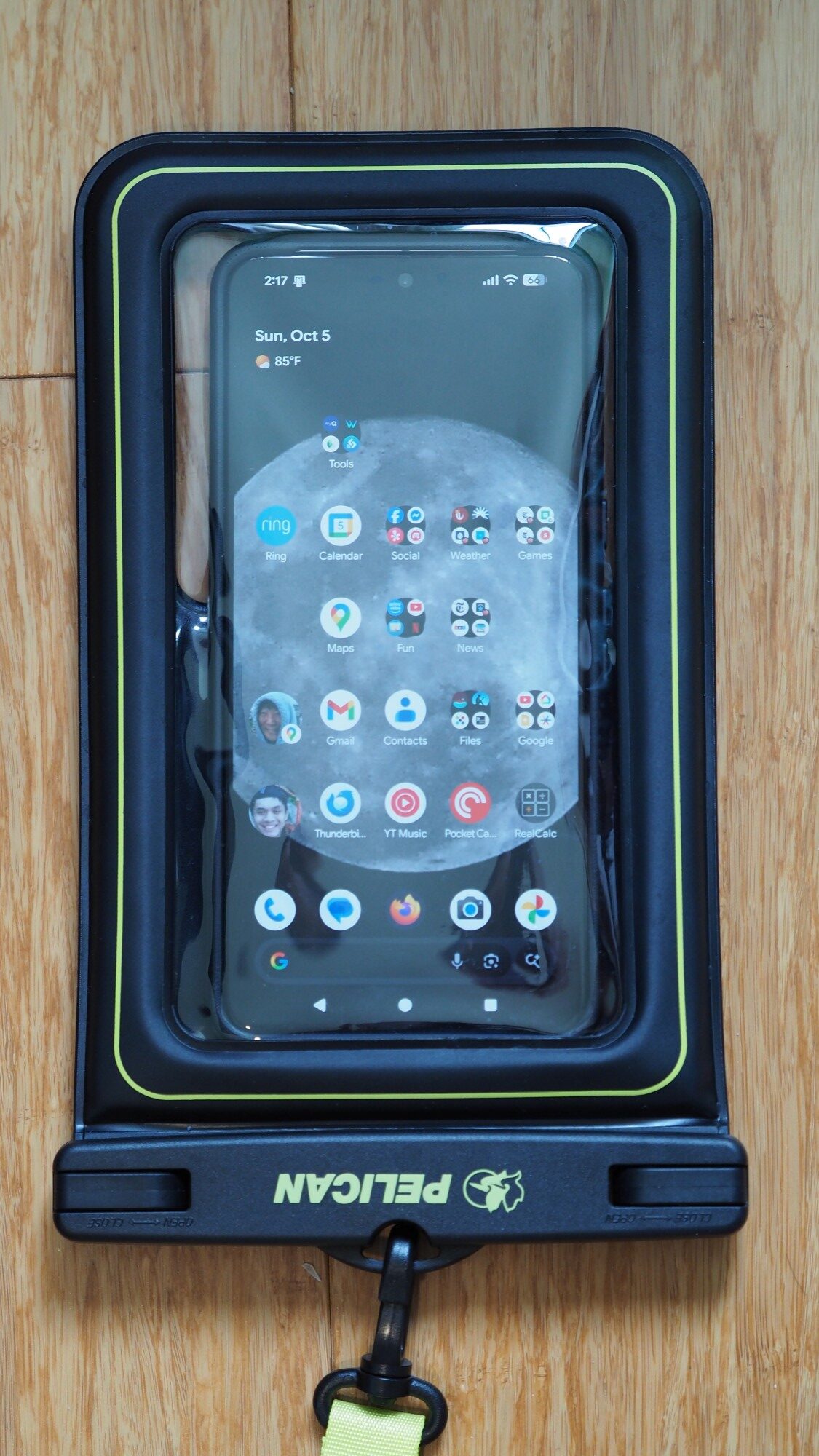
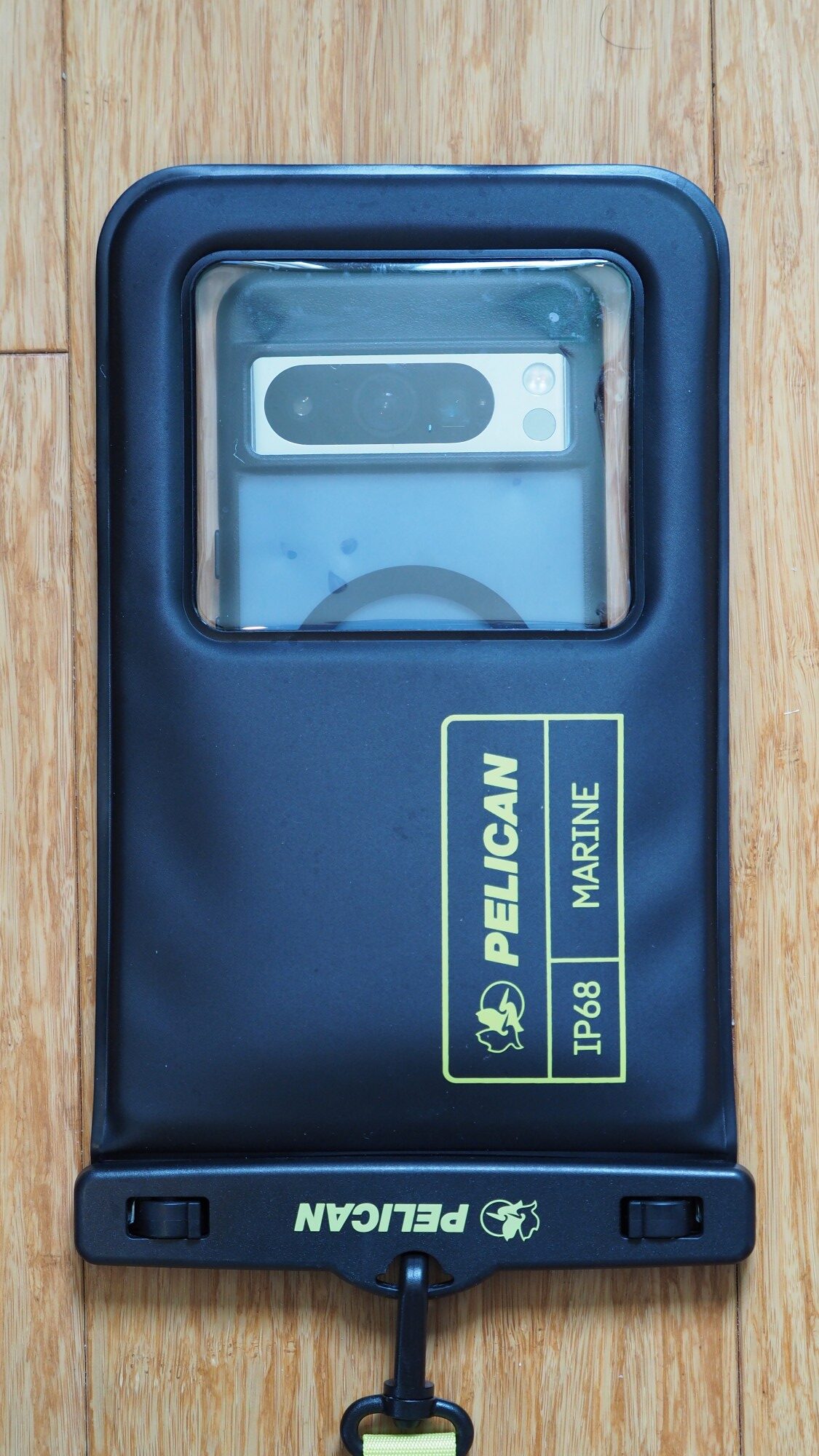
My Pixel 8 Pro fits comfortably in the Pelican XL Marine Waterproof floating pouch. I previously had the regular-size Pelican pouch and my phone fit, but just barely. The extra room in the XL-size pouch allows me to put my phone in without removing it from its case. You can get a two pack of these cases for $28 from Amazon. You could buy 10 Pelicans for the cost of a single Outex!
To use this pouch you just open two levers and slide your phone in with the cameras facing the smaller window. The windows are clear plastic. To seal the pouch you just put the levers through their slots and rotate them closed. It doesn’t take much force to close or open the levers. When closed, the levers are flush with the hard plastic closure and I’ve never had a lever open accidentally.
Like the Outex case, you can operate the touch screen and side buttons with the phone sealed in the case. Also, like the Outex, you may have to repeat your tap or pinch and zoom to get your desired result.
A unique feature of the Pelican pouch is sealed air cushions around the edges. This allows the pouch to float with a phone inside without additional flotation. The waterproof rating is IP68 which means it protects from dust and can be submerged up to one meter (3.3 feet) for at least 30 minutes. So, you can use it for underwater photos while snorkeling at the surface, but you can’t dive with it.
Now, let’s take a look at some comparison photos to see the difference between shooting through an optical glass versus a clear plastic window. All the photos were taken by me with my Pixel 8 Pro, but they were taken on different paddles in different locations. The photos are have not been edited except for minor cropping and they are not at full resolution as they have been resized for viewing on the web.

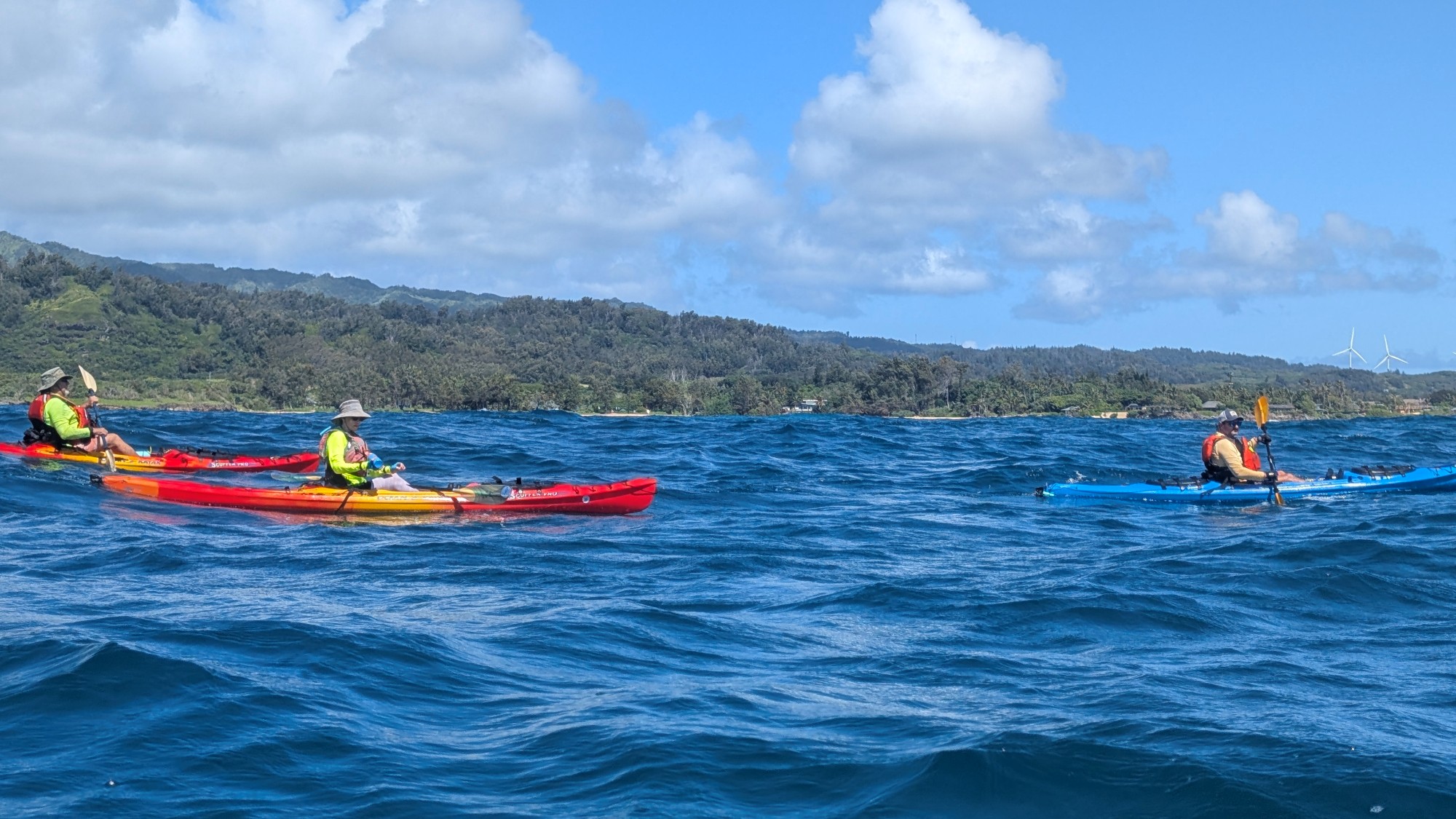
In this medium range shot of kayakers under a sunny sky there is not much difference. The Outex shot may be slightly sharper, but not by much.
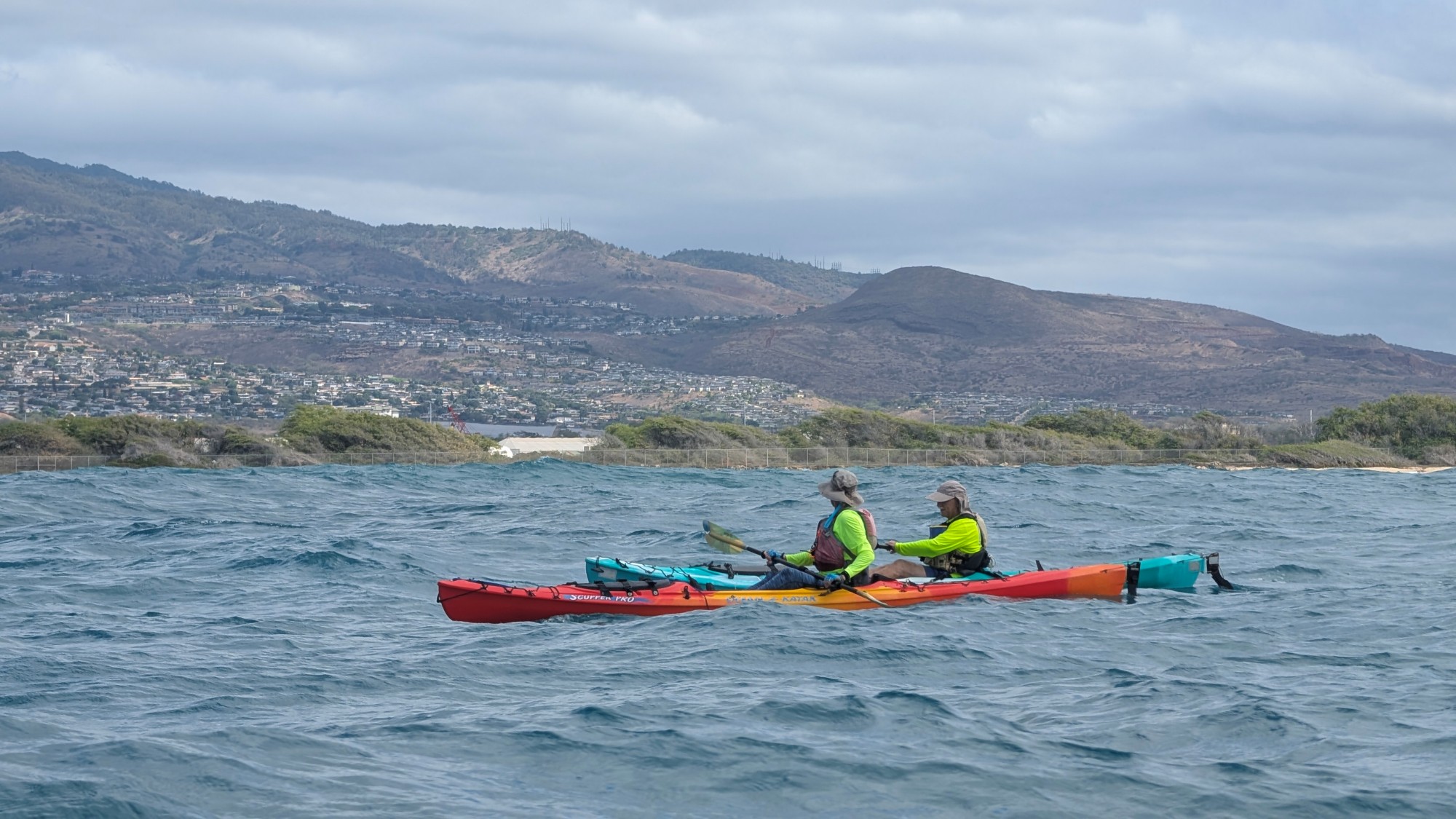
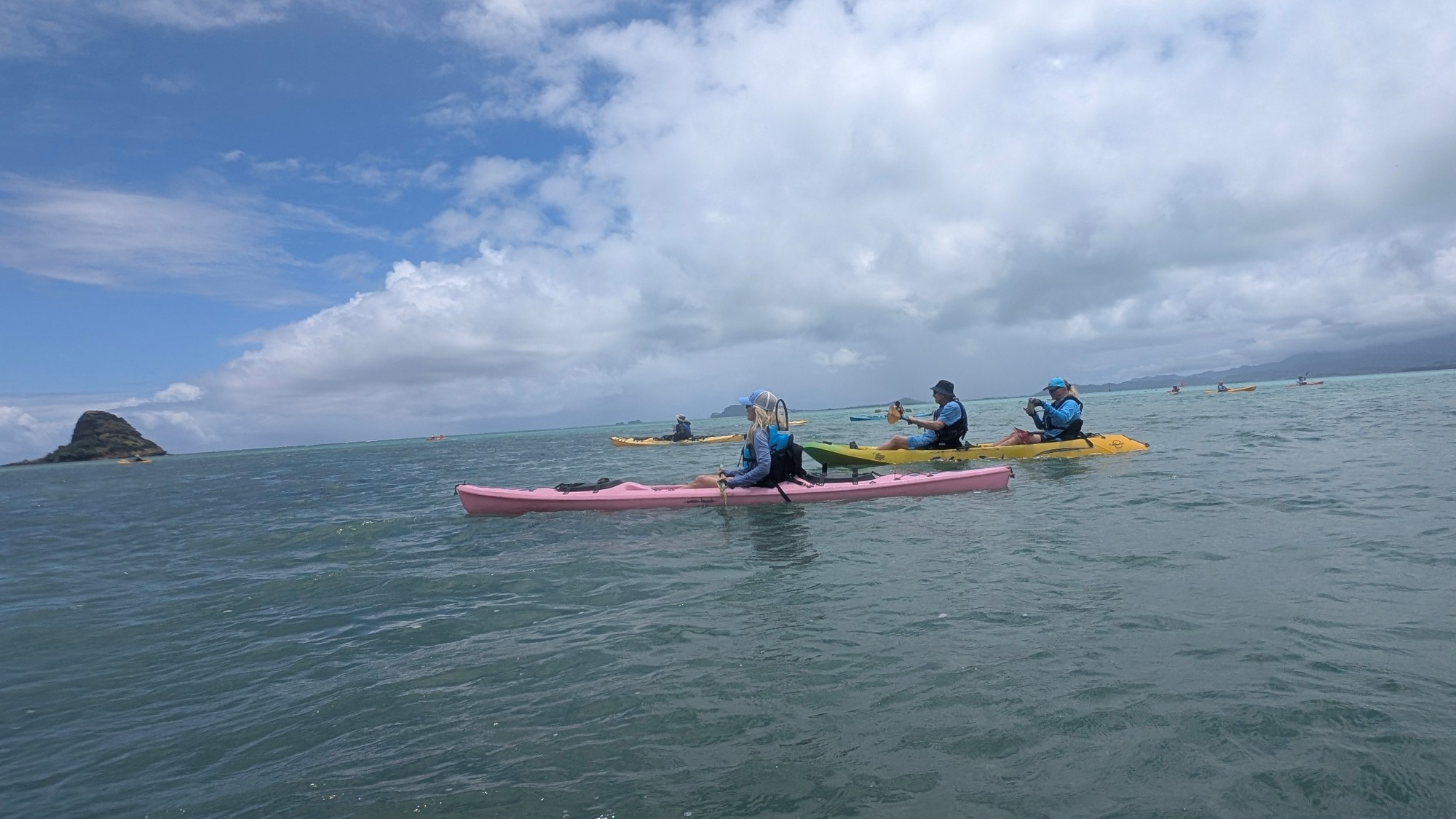
Again, not much difference in these medium range shots under an overcast sky.
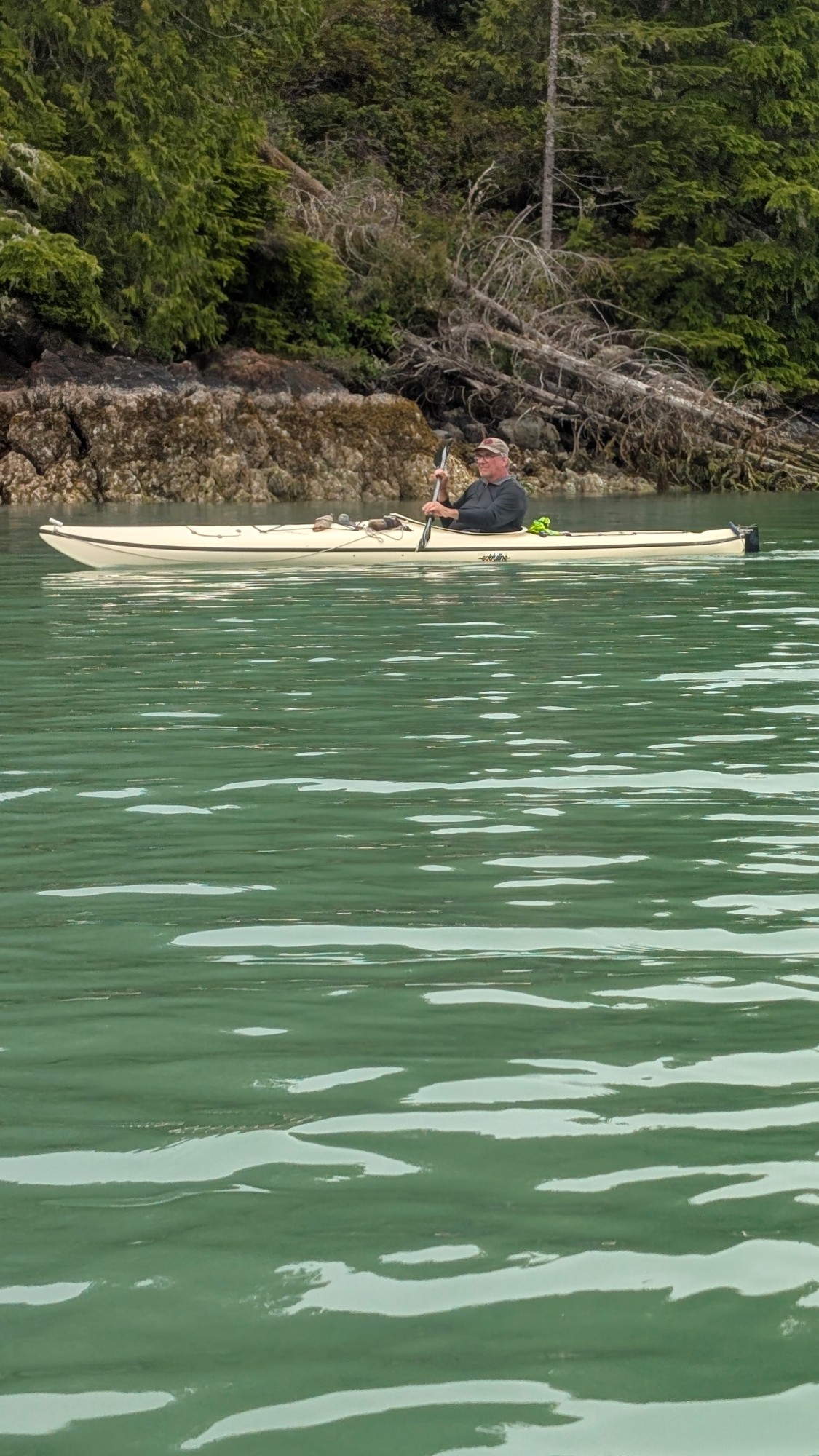
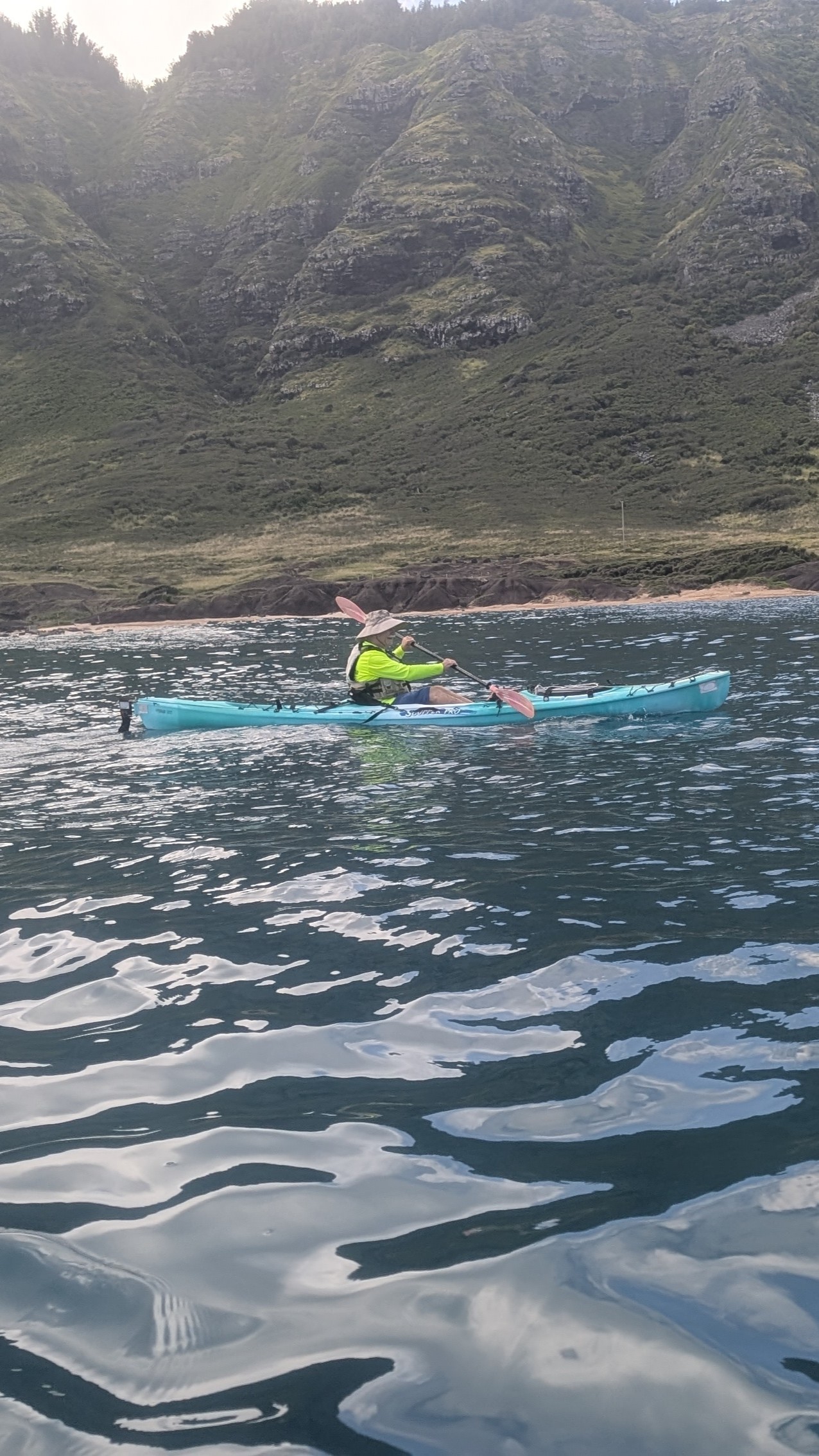
Still not much difference in these closer shots of solo kayakers under cloudy skies. Maybe a slight edge in sharpness to the Outex photo.
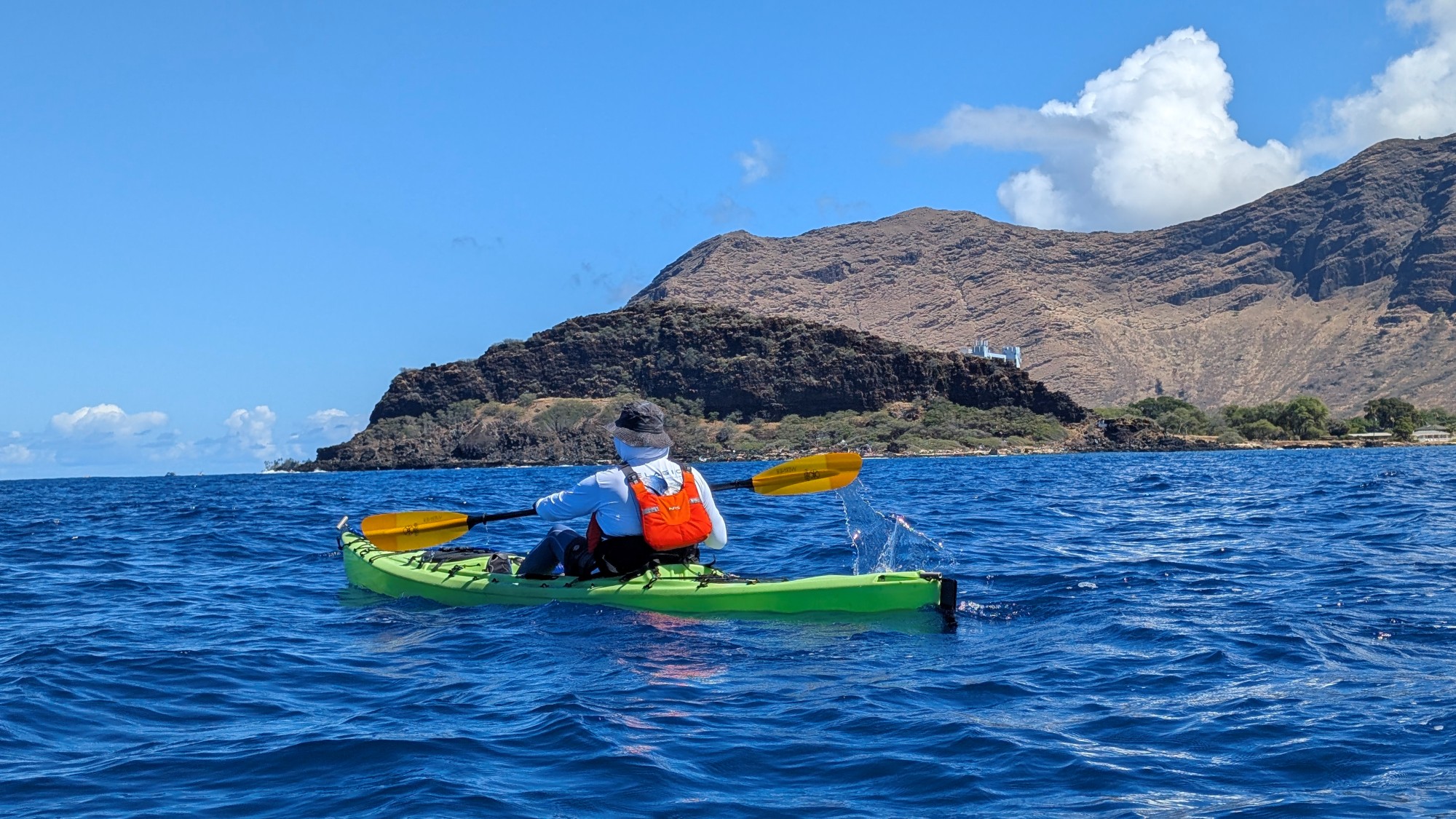
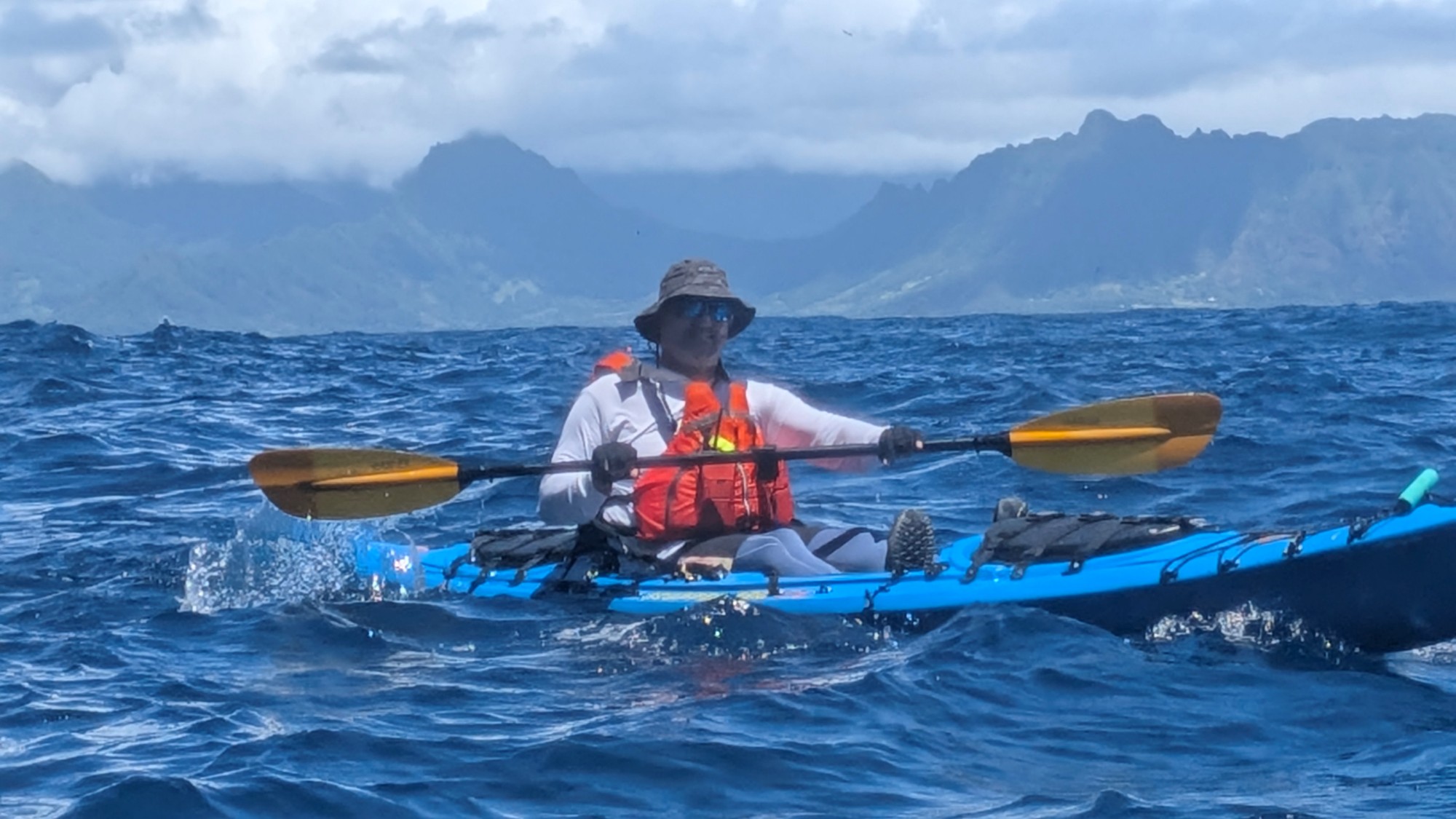
In these close range shots under sunny skies you do see some blur in the Pelican photo. The haze in the background and shadow on the kayaker’s face exaggerate the difference between these photos, but I think the Outex’s improved quality shows here.
One thing I didn’t show are spoiled photos that I took with the Pelican case due to smudges or water on the plastic window, blurry images and images with unwanted light streaks. I’ve had a few spoiled photos with the Outex, but much less than with the Pelican.
You can take good to excellent photos and videos with both of these cases. Many other factors go into ocean kayaking photography like composing a photo of a moving subject while seated in a rolling and pitching platform, the position of the sun and seeing through the glare on your phone screen in bright sunlight. Mastering these other factors are much more important to getting a good photo than having a clear window to shoot through.
Photos through the Outex’s glass port will be sharper, but will probably not be noticeable on most mobile devices. Unless you plan to display your photos on larger screens or print enlargements I don’t think you’ll see the difference. As long as you take reasonable care of the Outex case I expect the glass port to remain clear and scratch free for a long time. The Pelican’s plastic window is much more susceptible to scratches, creases or discoloration, but you could replace your Pelican case nine times for the cost of one Outex case.
If you’re a discerning photographer that wants the best out of your on-water photos (perhaps to win a Christmas photo contest) it may be worth the extra cost, weight and additional assembly time of the Outex case. But, if all you want are snapshots to remember your paddling experiences the Pelican or other cases like it should suffice. I haven’t tried taking any underwater photos with the Outex, but its 10 meter depth range would be another plus for those of you that dive that deep.
For myself, I’ll use the Outex case when I go on a paddle where I hope to take a lot of scenic or action photos. For more routine paddles I’ll go with the simplicity of the Pelican pouch.


